
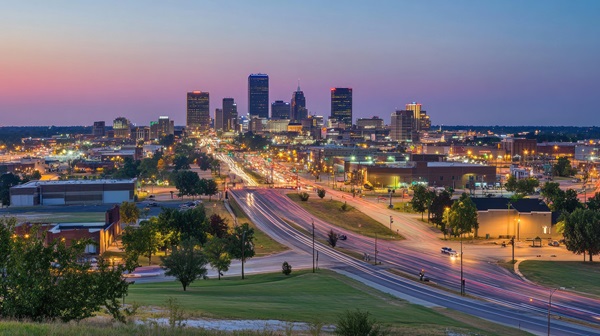
Oklahoma City just landed a major win for street safety. The city has been awarded $25 million in federal funding to improve roadway safety across Oklahoma City. This is a move that pushes its long-term Vision Zero goals from planning into real, on-the-ground action. The goal is to help prevent car accidents and keep pedestrians and bicyclists safe.
The funding comes through the U.S. Department of Transportation’s Safe Streets and Roads for All (SS4A) program, which helps cities reduce serious injuries and traffic-related deaths. For Oklahoma City, the grant means years of safety planning can now translate into construction, upgrades, and neighborhood-level improvements.
"Winning this $25 million SS4A implementation grant is a transformative moment for Oklahoma City," said Justin Henry, transportation program planner for the city. "It allows us to take bold, measurable steps toward Vision Zero and make our streets safer for everyone."
Where are the safety improvements happening?
The grant will support improvements along some of the city’s busiest and most critical corridors, including portions of NW 23rd Street, NW 10th Street, S Pennsylvania Avenue, SW 44th Street, and the NW Expressway. Several high-traffic intersections across the city are also included. These areas were identified through safety data and planning efforts that examined where crashes and serious injuries are most likely to occur.
The funding allows the city to move forward with a wide range of safety upgrades, including traffic signal improvements, new or repaired sidewalks, bus pads, turn lanes, roundabouts, and clearer pavement markings. Citywide enhancements such as high-visibility crosswalks, improved street lighting, and more visible traffic signals will also be part of the work. Together, those changes are designed to make streets safer for drivers, pedestrians, cyclists, and transit riders.
Tools for neighborhoods
The grant will also expand Oklahoma City’s Alternative Speed Abatement Program, giving neighborhoods more practical ways to address speeding on local streets. Rather than relying on one-size-fits-all solutions, the program allows traffic calming tools to be used where residents consistently see problems.
Options such as speed cushions can physically slow vehicles without blocking emergency access, while portable speed feedback signs remind drivers of their speed in real time. These tools are especially effective in residential areas and near schools, parks, and community spaces, where lower speeds can make a meaningful difference in safety and quality of life.
These traffic calming measures aren't just about slowing people down. They're about re-engineering the road to forgive human error.
Improving accessibility citywide
A portion of the funding will support the development of an ADA Transition Plan, a key step in identifying and addressing accessibility barriers across Oklahoma City. The plan will include citywide reviews of sidewalks, curb ramps, crossings, and other public infrastructure to better understand where improvements are needed.
An advisory committee will help guide the process and ensure input from residents, advocates, and stakeholders with lived experience. The city will also create a public-facing dashboard to track progress over time, adding transparency and accountability as accessibility improvements are planned and completed.
The Legal Connection: Evidence of Known Hazards
When a city applies for and receives federal safety grants for specific corridors like NW 23rd or Pennsylvania Ave, it's often because data proves those areas are "high-injury networks."
If you're injured in one of these zones before the improvements are finished, the fact that the city has already identified these areas as needing $25 million in safety upgrades can be powerful evidence. It shows that the road conditions, not just driver behavior, played a role in the risk you faced.
What comes next for street safety in Oklahoma City?
Construction timelines have not yet been finalized and will be determined once a mutual grant agreement is signed. As projects move forward, the city plans to share updates and additional details with the public. For Oklahoma City, the grant represents more than a single funding award. It’s a chance to reshape streets in ways that save lives, improve access, and support the city’s continued growth.
What are common safety concerns on Oklahoma City streets?
Oklahoma City’s wide streets and growing population create unique challenges for road safety. As the city continues to expand and attract new residents, transportation officials and neighborhoods alike are paying closer attention to the issues that most often contribute to crashes, injuries, and close calls on local roads.
Common road safety concerns in Oklahoma City include:
- Speeding on arterial and neighborhood streets, especially on wide corridors designed for high traffic volumes
- High crash rates at major intersections, often tied to turning conflicts and signal visibility
- Limited pedestrian infrastructure in some areas, including missing sidewalks and inconsistent crosswalks
- Pedestrian and cyclist exposure along busy corridors without dedicated bike lanes or buffers
- Distracted driving, particularly related to mobile phone use
- Poor lighting conditions on certain streets, which makes it harder to see pedestrians at night
- Accessibility gaps for people with disabilities, including uneven sidewalks and non-compliant curb ramps
- Transit access challenges, such as inadequate bus pads or unsafe crossings near stops
- Speeding near schools, parks, and residential areas, where slower traffic is critical for safety
Engineering Can’t Fix Negligence
Even with the best roundabouts, brightest lights, and newest sidewalks, technology and design can only do so much. Street safety is a two-way street: the city provides the infrastructure, but drivers must provide the care.
Unfortunately, federal grants can't stop a driver from texting, speeding through a work zone, or operating a vehicle while under the influence. When a driver ignores the rules of the road, regardless of how safe the street is designed to be, they create a "human factor" that infrastructure can't fix. While the city works to eliminate road hazards, our law firm works to hold negligent drivers accountable for the reckless choices they make behind the wheel.
Get the legal help you need after a car accident in Oklahoma City
While Oklahoma City looks toward the future of street safety, accident victims are dealing with the realities of today. That's why it's important to remember that in Oklahoma, the statute of limitations for personal injury claims is generally two years from the date of the accident. Waiting for the city to fix a dangerous intersection won't protect your right to compensation if you've already been hurt.
A dangerous road design may contribute to a crash, but every driver has a legal duty to operate their vehicle safely based on the current conditions. If a driver was speeding or distracted, they're still liable for the damages they caused, even if the intersection is currently scheduled for safety upgrades. Our role is to investigate both the driver’s actions and the road conditions to maximize your recovery.
Contact Lawter & Associates, PLLC
The personal injury lawyers at Lawter & Associates, PLLC, have spent decades standing up for injured Oklahomans and fighting for the compensation accident victims deserve. Our car accident attorneys handle insurance negotiations and build strong cases backed by evidence.
Let our legal team handle every aspect of your case, so you can focus on healing. Consultations are completely free, and we work on a contingency fee basis. That means you pay nothing upfront and we only get paid if we recover compensation for you.
There’s no financial risk in getting answers, understanding your options, and learning what your case may truly be worth. Our goal is to help you level the playing field and make sure the insurance company plays fair.
Our personal injury law firm serves car accident victims throughout Oklahoma City, Tulsa, and across the state. If you’ve been injured, contact us online or call us to request your free case evaluation today. The sooner you reach out, the sooner our legal team can begin protecting your claim and working toward the outcome your case deserves.
"Thank you, Mary and Renee, for all your hard work and diligence on this issue and in solving this claim. It is greatly appreciated, and if I ever need your help again, I will do so." - Robert, ⭐⭐⭐⭐⭐