
Yes, and Oklahoma Law Lets You Recover Even If Your Spine Wasn't Perfect Before the Crash
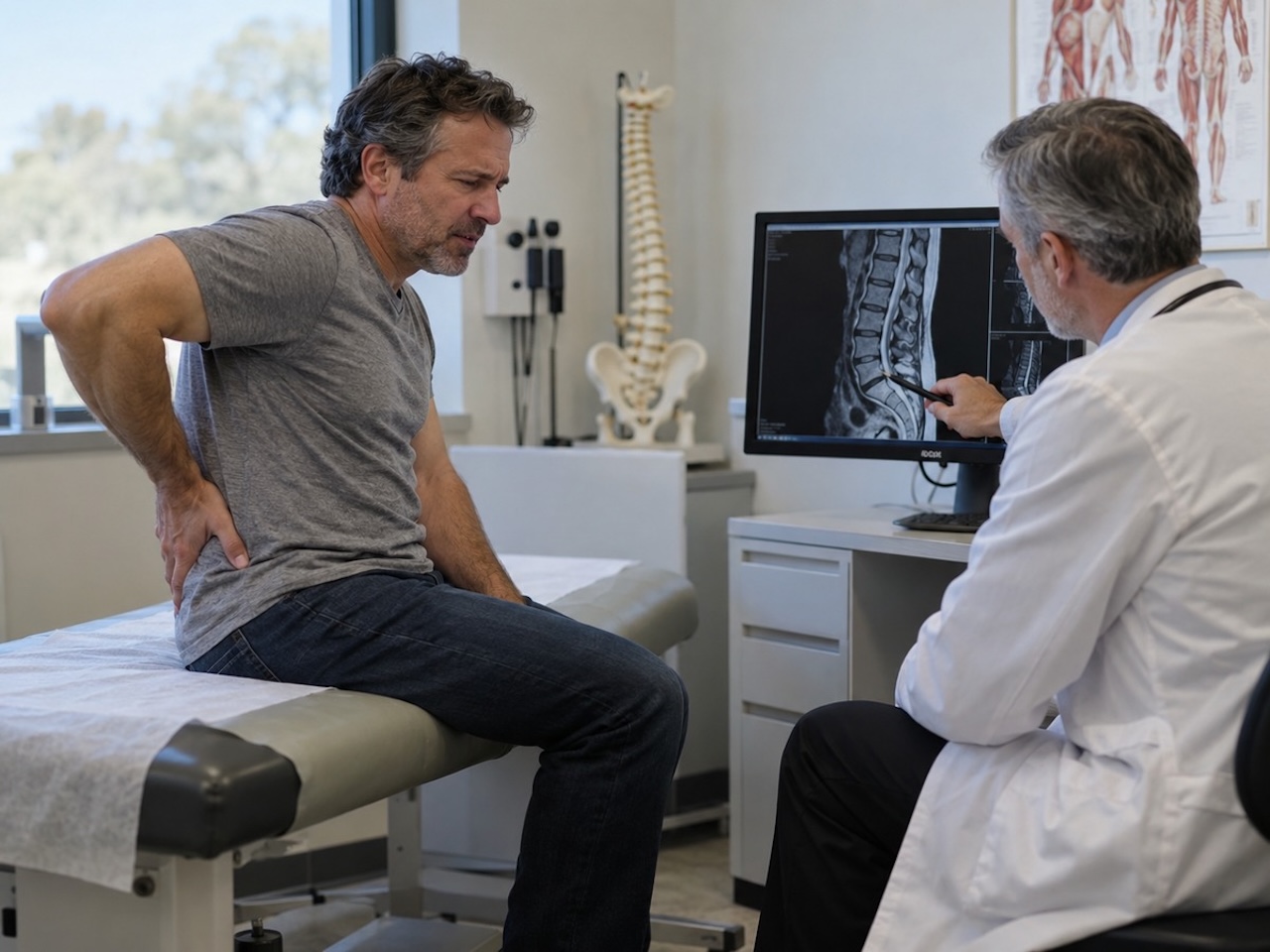
A car accident can cause a herniated disc, one of the more serious spine injuries drivers and passengers suffer in Oklahoma wrecks. A collision's sudden force can push a disc's soft center through its tougher outer layer. When that material presses on a nerve, pain can spread into the arms or legs. An Oklahoma car accident claim for a disc injury often depends on medical evidence and the timing of the injury.
Insurance companies know these claims can be expensive, so they often push back hard. They may argue the crash was too minor or that the disc problem came from age. The right records, imaging, and medical opinions can counter those arguments. What matters most is how your symptoms changed after the crash and how the injury affects you now.
|
Key Takeaways
|
How Does a Car Crash Herniate a Disc?
Spinal discs sit between the bones of your spine and act like cushions. According to MedlinePlus, a disc can move out of place or break open from injury or strain. When that happens, it can press on spinal nerves. The lower back is affected most often, followed by the neck.
A collision loads the spine with force in a fraction of a second. In rear-end crashes, the body is thrown back into the seat while the head snaps forward and back. That's the same violent motion behind whiplash, and it can also strain the discs in your neck. Side impacts and head-on collisions can twist the spine in ways it isn't built to handle.
Say a pickup slams into the back of a driver's car at a red light in Oklahoma City. She feels stiff that night but goes to work the next day. Within a week, pain shoots down her left leg and her foot goes numb. An MRI shows a herniated disc in her lower back pressing on a nerve. Disc pain often builds this way, which is why records from the first weeks matter.
Symptoms That Can Point to a Disc Injury After a Wreck
Herniated disc symptoms depend on which part of the spine is hurt. The warning signs below should be checked by a doctor, even if the crash seemed minor.
- Pain Shooting Into the Leg: A herniated disc in the lower back can cause sharp pain in the leg, hip, or buttocks. Pain or numbness can reach the calf or the sole of the foot.
- Pain Spreading Into the Arm: A herniated disc in the neck can cause deep pain near the shoulder blade. That pain can travel to the upper arm, forearm, and fingers.
- Numbness or Tingling: Pressure on a spinal nerve can cause numbness along the shoulder, elbow, forearm, or fingers. In the lower back, it can affect the leg and foot.
- Muscle Weakness: You may have trouble lifting a leg or arm, standing on your toes, or squeezing tightly with one hand. Sometimes only a doctor's exam finds it.
- Pain That Gets Worse With Everyday Movement: Disc pain may get worse after sitting or standing, at night, or when you cough, sneeze, or laugh.
Loss of bladder or bowel control after a crash is a medical emergency, so get care right away. Many people dismiss early disc symptoms as soreness and wait to see a doctor. That delay gives an insurer room to argue something else caused the injury. A prompt exam protects your health and links your symptoms to the crash. That record matters with many car accident back injuries.
Why an X-Ray Isn't Enough to Diagnose a Herniated Disc
Emergency rooms often order X-rays after a wreck to check for broken bones. But MedlinePlus notes that a herniated disc can't be diagnosed by a spine X-ray alone. A clean X-ray can leave you with a false sense that nothing is wrong. It can also give the insurance company an early record that seems to show no injury at all.
An MRI or CT scan can show where a disc is pressing on the spinal canal. Doctors may also order nerve tests, such as electromyography, to identify which nerve root is involved. These tests connect what you feel to what's physically happening in your spine. If your pain continues after an ER visit, follow up with your doctor and ask whether imaging is needed.
Common Insurance Arguments Against Herniated Disc Claims
Adjusters often use the same handful of arguments to lower the value of a herniated disc claim. Each one can usually be tested against your medical records and the facts of the crash. The table shows common arguments and the evidence that can answer them. These tactics reflect how insurance companies handle car accident claims when an injury is costly to treat.
| What the Insurer May Argue | What the Evidence Can Show |
|---|---|
| The disc problem is just aging. | Prior records show no neck or back complaints before the crash. |
| You didn't complain of pain at the scene. | Disc pain often starts slowly and builds over days. |
| The ER X-ray was normal. | X-rays can't diagnose a herniated disc, while an MRI can. |
| The crash was too minor to hurt you. | Medical findings, symptoms, and treatment show the actual injury. |
| You already had a bad back. | A doctor can compare your condition before and after the wreck. |
Gaps in treatment can also become an issue, even when there's a good reason for them. Missed appointments often come from work schedules, child care, transportation, or cost. Keeping track of why care was delayed helps answer that argument later. Every visit, prescription, and therapy session adds to the record of how the injury has affected your life.
What Can a Herniated Disc Claim Include in Oklahoma?
A herniated disc can lead to months of treatment and, in some cases, surgery. A claim can include medical bills, future treatment, lost income, and reduced earning ability. It can also include pain and suffering. That covers the ways the injury limits daily life, from sleeping through the night to lifting a child.
A spine that wasn't perfect before the crash doesn't end the claim. Under Oklahoma law, a person with a pre-existing condition can recover for the harm caused when a crash makes that condition worse. Insurers often point to degenerative changes on an MRI to blame age instead. A treating doctor's comparison of your symptoms before and after the wreck can separate the old condition from the new damage.
Fault and timing matter, too. Under Oklahoma's comparative negligence rule, any share of fault you carry reduces your damages by that percentage. If your share is greater than the other driver's, you can't recover at all. Most Oklahoma personal injury lawsuits must also be filed within two years of the crash. Disc injuries can take months to diagnose and treat, and that time counts against the deadline.
Several factors shape car accident settlements for spine injuries, including treatment, surgery, and long-term limits. Our case results include a $250,000 settlement for a client who needed disc replacement surgery after a red-light T-bone crash. Another $250,000 settlement went to a client who needed neck surgery after a rear-end crash. Every case is different, and past results don't guarantee a future outcome.
Your Spine Injury Deserves More Than a Quick Settlement Offer
A herniated disc can change how you work, sleep, drive, and care for your family. An early settlement offer may not account for future injections, surgery, or lost income. At Lawter & Associates, PLLC, our Oklahoma car accident lawyers have helped injured people for more than 50 years. We gather the medical proof needed to connect your disc injury to the crash.
If you're dealing with neck or back pain after a wreck, talk with our team about your case. We have offices in both Oklahoma City and Tulsa. There's no fee unless we win, and we'll never take more of your pre-trial settlement than you do.
"I want to thank Matthew for standing beside me in this case. It was a long road for both of us, but Matthew stood beside me and believed in me, and that's what counts. I got the surgery I needed to be able to live a normal life without pressure on my spine which I am most thankful. God bless you all." — Eileen, ⭐⭐⭐⭐⭐